
From the Editor's Desk
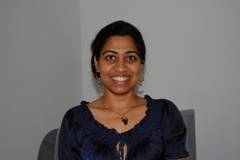 A wonderfully new experience, a gamut of new ideas and a brand new issue filled with fun unfolds. A long way has been travelled and an even longer uncharted path to be traversed.
Meenakshi Chatterjee, 2000B5A3721
Download pdf

An editor’s job is not an easy one. Needless to say I bow down to the editors of yore – the ones who made Sandpaper a reality. Being an editor is a humbling experience.
I have always liked to write. I remember the first story I wrote. It was about a girl called Maya who perpetually lazed. She found buried treasure and continued her lazy lifestyle! The story kicked off a spark in me. The bug of writing bit me and it has since been incurable.
It seriously happened in my second year, right about the time when I was pretending to pay attention at PS1. Instead of my usual “note-taking”, I put my pen and paper to better use. Story telling began. Short stories about ordinary people mired in extraordinary circumstances.
Contributing for Sandpaper made me feel important. Just being able to see my name on the fascinating alumni magazine made me a celebrity!
Joining the editorial team was fun. Editing some else’s work has its own rewards and pitfalls. While you get enriched by someone else’s thoughts, ideas and mesmerizing stories, there is also the fear of judging, of making changes that could possibly ruin the writer’s style. The biggest challenge I faced as the Editor of this issue was deciding- every piece was marvelous. Every one deserved to be read. I thank my team who helped me throughout. For every piece you see in this issue, there is one you don’t– those are been treasured for next time.
BITSians are rather famous for their tenacity and determination. I look around me in awe and wonder. Youngsters are the new entrepreneurs while on campus – Mantra Awards. Thirty years is all it takes to become distinguished in your field – 30 under 30 Awards. BITSians are designing India’s first Humanoid despite all odds and winning at successive Robogames– ACYUT. Charitable foundations and noble work are being done by others – Deepam, BITS.aid and Anuradha Gupta. My batch mate, Kaushik launches his own business venture – Zibika. Intel’s new microprocessor is being designed in India led by a BITSian alum. The magnitude of all these achievements humbles me.
This issue has its own share of “firsts”. This is the first time we are giving every piece a face to relate to. Every article has the author’s picture along with his name. This is also the first time that we have the section Creative Media. Sandpaper isn’t only about writers and poets, it is also about artists. It’s an attempt to showcase their unique mode of expression.
Finally, this incredible journey of being the Editor would not have been possible without the help of Dileepan. I thank him whole heartedly. Ashish, Anuradha, Sandeep, Dilip were extremely supportive. I feel honored to be able to lead this effort of my very own, my very favorite, the one and only - BITSAA Sandpaper!
